Walking to the back rooms of a dental office is kind of intimidating. Walking past the operating rooms, you can see the dentists working on their patients with their shiny tools. Some of the tools you can see look quite scary. The good news is the dentists know how to use those tools and what each one is used for. I personally do not like having the dentist scrap on my teeth with their pointy sticks; it hurts most of the time. Not to mention if the dentist slips, you will get a poke to the gums, and that does not feel good.
The primary tool dentists use is called a scaler or curette. Often referred to as a plaque scraper, this tool is used for what the name says to scrape plaque and tartar build-up from the teeth. This tool is the primary tool dental surgeons use. It is a long pencil-shaped item with curved pointy bits on either end. These tools come in different sizes so the surgeons can get precise with their removal of plaque. Usually paired with this tool is a mouth mirror. This tool is like the scaler but has a mirror on one end. This mirror is used to see inside the patient’s mouth so the surgeon can accurately scrape away plaque behind the teeth or to see the molars at the back.
Anesthetic is another tool a dentist uses but not very often. On the outside, teeth are hard, but the enamel under the teeth is not. In fact, it is rather sensitive and easily damaged. The dentist will administer an anesthetic to numb your mouth. This numbing of the mouth helps the surgeon so they can do what they need without hurting the patient. With today’s advancements, some dental practices have pain-free sedation. This means you will not even know you have had a sedative to numb the tooth or teeth. Procedures like pulling a tooth may require an anesthetic, so you do not feel the pain.
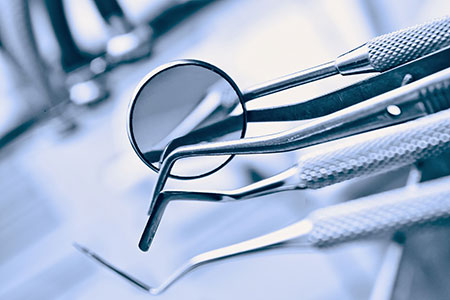
A dental drill is another kind of tool a dentist may use. This tool is like a standard drill, but this one is much smaller and has less power. This tool is used as another method to remove plaque just at a quicker rate. The vibrations and sound caused by the drill can be unsettling for some people as it can be nerve-racking to have a drill in your mouth near your gums. This sensation is nothing to worry about. This tool is also used to remove any decay attached to the tooth before filing a cavity. Additionally, this tool will be used to put on fluoride onto your teeth for generally polishing before leaving the dental office.
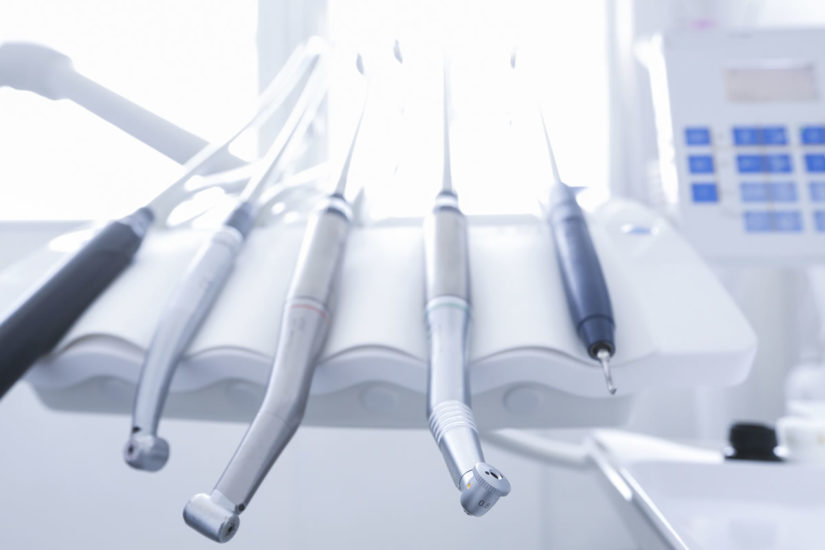
There are many other tools a dental surgeon may use, but these are a few of the main ones used. Anesthetic, drills, and tools for poking and scraping. In my opinion, the drill is horrifying. Even though I know the person using it has practice and experience doing it, I still fear they will accidentally slip and catch my gum, and I know that will hurt. There is nothing to be afraid of when you are lying on the chair, and the surgeon brings out their tools, the surgeon will take good care of you. I need to remember that next time I go for my next dental check-up.
 Mouth Cancer Information