Cancer patients undergoing intense medical procedures do not think much about their oral health, yet chemotherapy and radiation can have severe side effects on the oral cavity. Paying attention to basic oral care can help you prevent any oral health complications that might result in any hindrance to cancer treatment.
People who face a higher risk
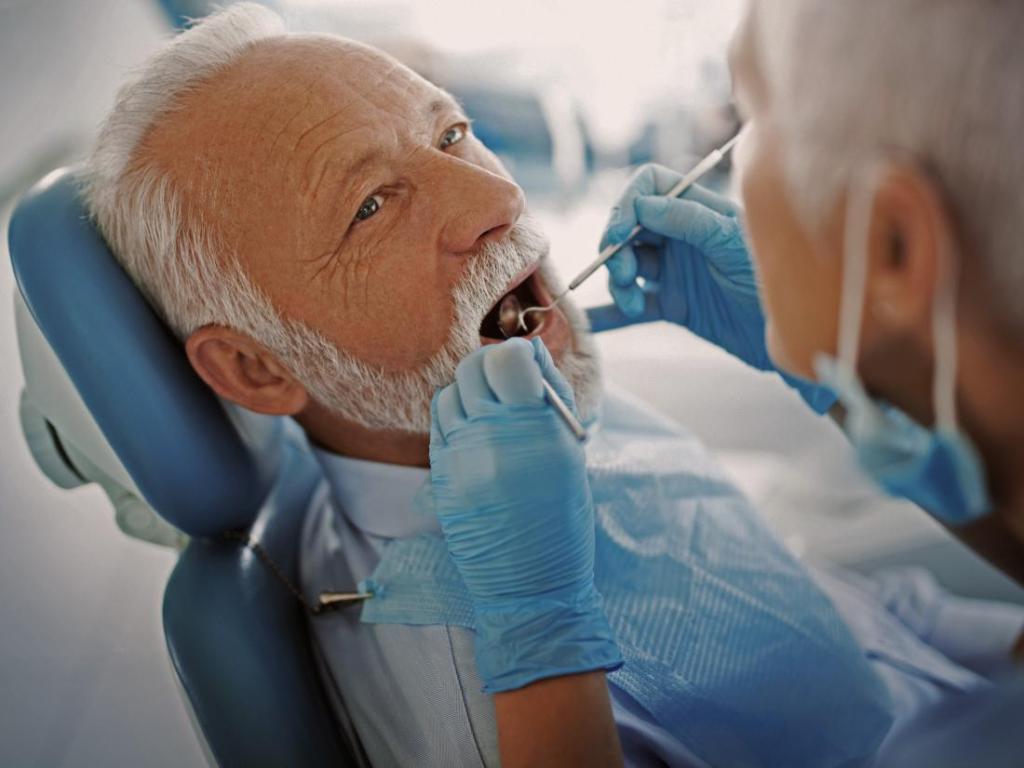
According to the National Institute of Dental and Craniofacial Research (NIDCR), about 40% of patients who receive cancer treatment are at a higher risk of developing oral health complications. About 80% of patients receiving stem cell transplants face such a risk. All patients getting treatment for head and neck cancer are the risk of oral health complications. The good news is that you can prevent these complications, or at least minimize their severity, with simple preventive measures.
Pretreatment oral care
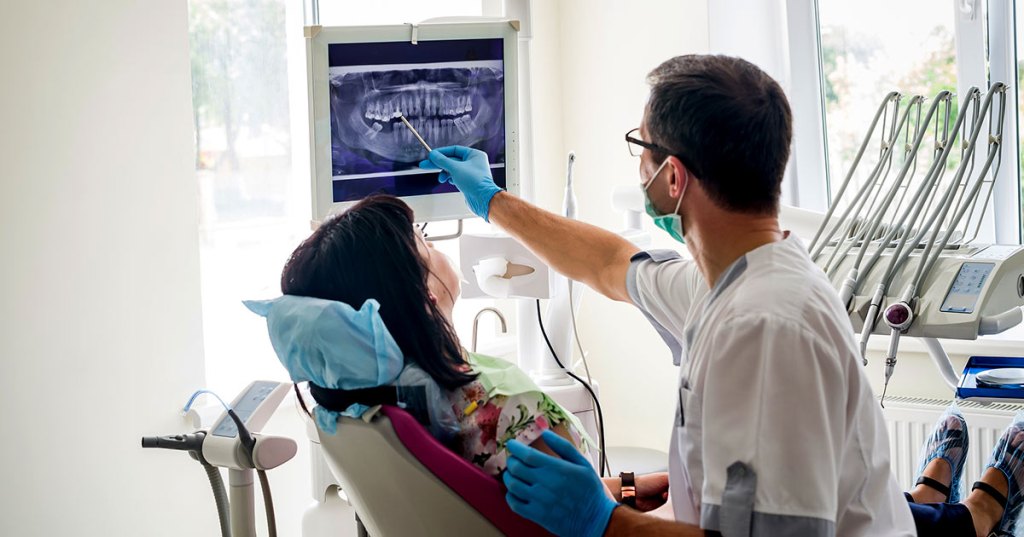
You can visit your dentist one month before receiving chemo or radiation therapy. This proactive approach will help you address any problems with your oral cavity. Your dentist will also give you an oral care routine to stick with during cancer treatment. These measures will help you alleviate the risk of severe oral health complications. Apart from regular dental visits, you may have to commit to a customized oral care routine.
Preventing and treating oral complications
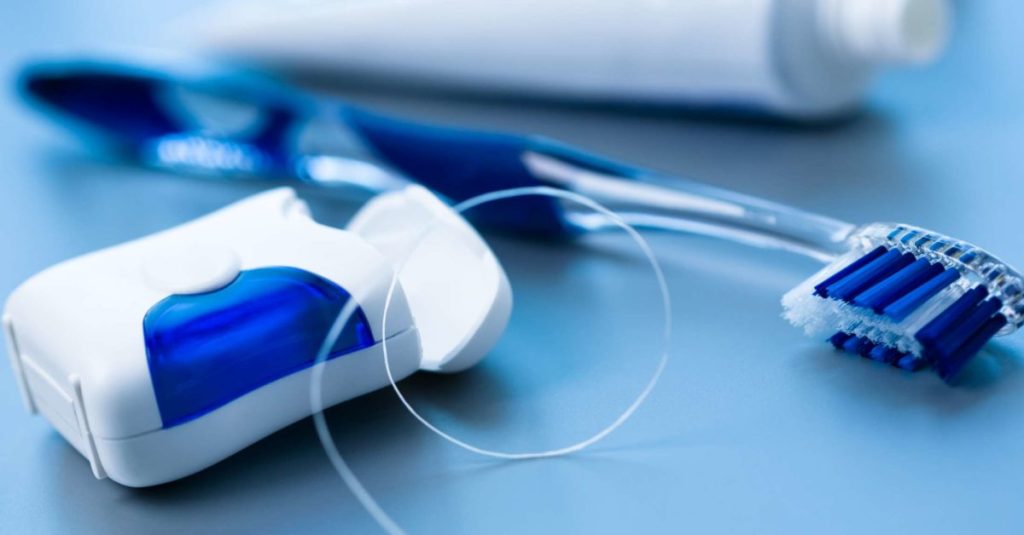
Your dental hygiene routine is the first and foremost thing that you will need to consider to prevent oral health complications under any circumstances. You are going to need to use a toothbrush with soft bristles and mild-tasting fluoride toothpaste to stay on top of your oral hygiene. Make sure to brush your teeth in the morning and before going to bed. It is equally crucial to clean spaces between your teeth, so make sure to floss more regularly. Using a non-alcoholic mouthwash provides an added protection against the bacterial attack on your teeth and gums.
There may be some bleeding when you brush or floss, and sometimes while eating. Cancer treatments can lower the platelet count, resulting in the gums becoming more susceptible to bleeding. You may still want to consult with your dentist or doctor to determine the real cause. Excessive bleeding should be a cause of concern, and so you should consult with your doctor to know what’s causing that much bleeding. It is pertinent to note that no matter if your gums bleed excessively, you should stick to your oral hygiene routine. You may have to be gentler with your cleaning approach, though.
The most noticeable and irritating side effect of cancer treatment is dry mouth. You may want to discuss this problem with your dentist and ask about the products that you can use to stimulate saliva production in your mouth. Using artificial saliva products, sugarless gum, and lozenges may be helpful in this regard. You may also want to sip water more frequently to keep your oral cavity moist appropriately. Remember, mouth dryness can be a significant reason for tooth decay and gum disease.
Cancer treatments can result in various oral health issues, so discussing with your dentist and surgeon can empower you with the necessary information that you need to prevent these complications.
 Mouth Cancer Information